




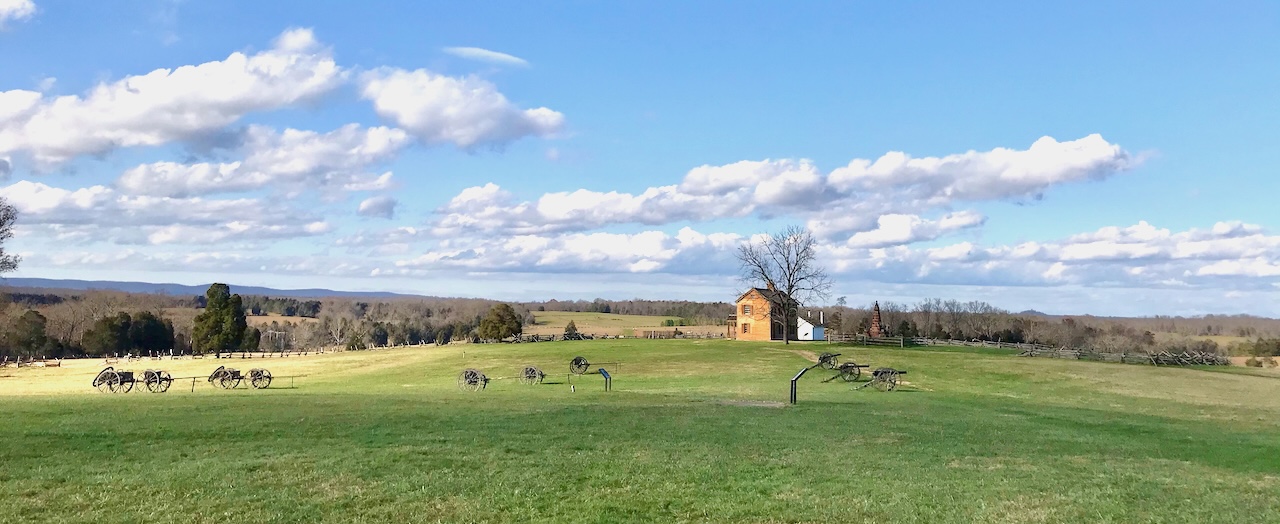
Interpretation for Guides
As a tour guide, you teach and engage and explore with people excited about history. And maybe some who are less excited and are harder to engage? Our digital interpretation can give you a cool tool to try to grab the attention of "digital natives" by using your iPad or their mobile devices. Use a little future tech to make history more memorable.
Overview
Helping guides better engage with their visitors is important to us. We want to make advanced technology available to make more sites more visible, accessible, and with higher engagement. Augmented reality of digitally reconstructed buildings shown on an iPad help people visualize a ruin or an now-empty space and make it more compelling. Interactive digital people can show battles or troops marching through a village. Talking to digital people, especially with scavenger hunt features, can really engage younger people.
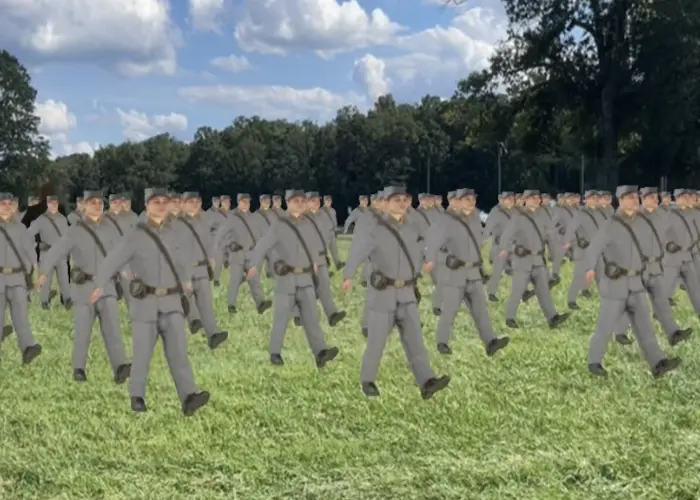
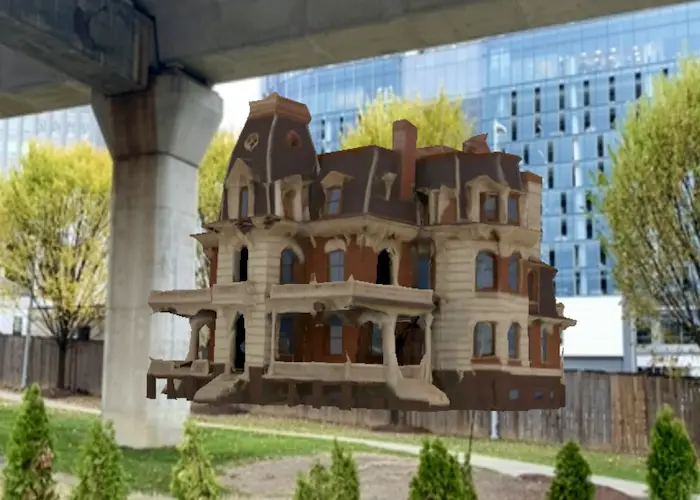
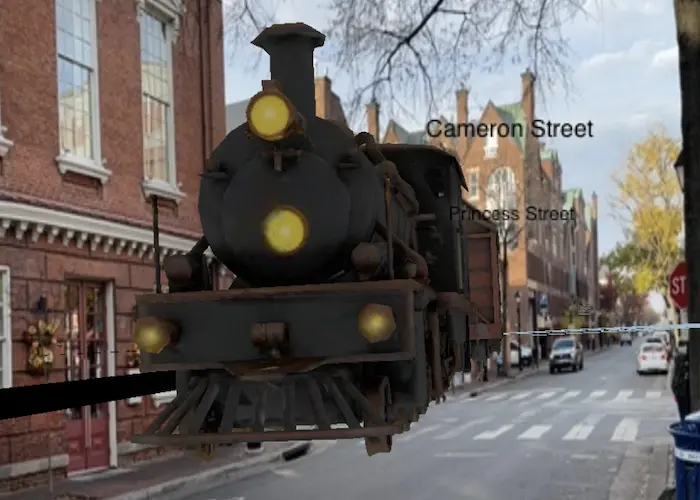
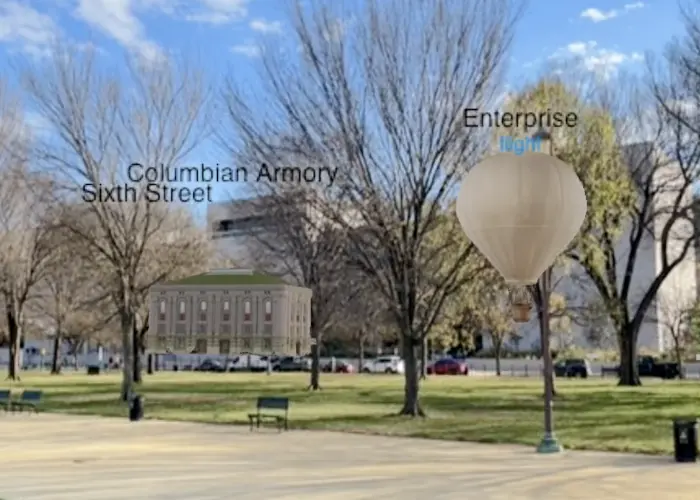
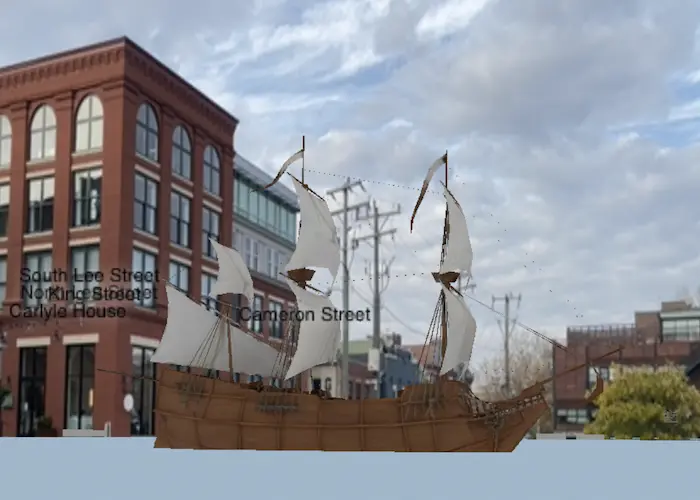
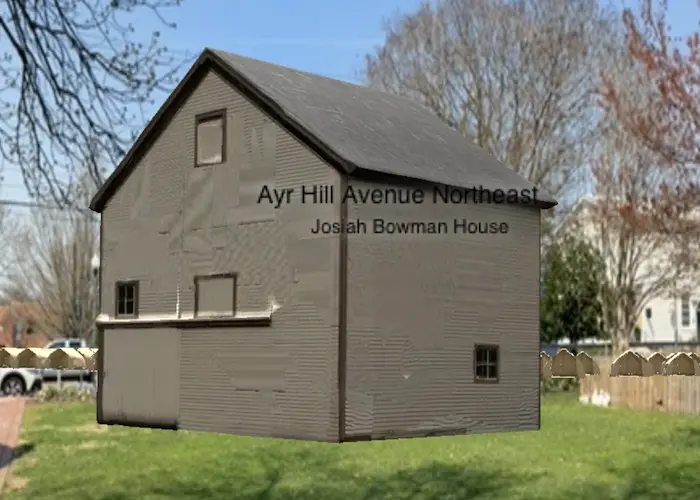
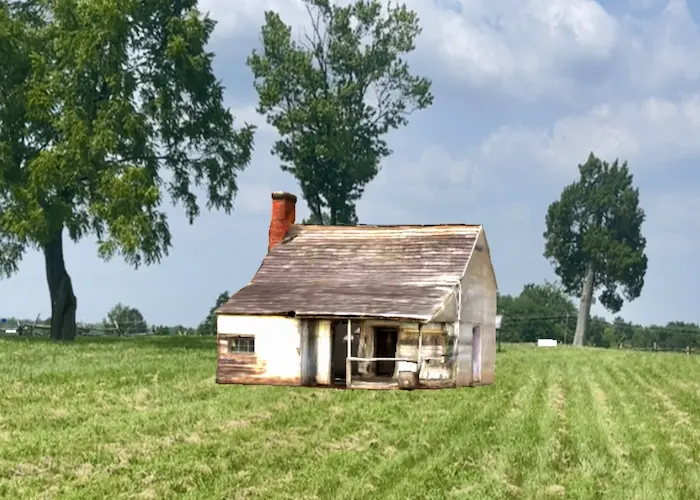
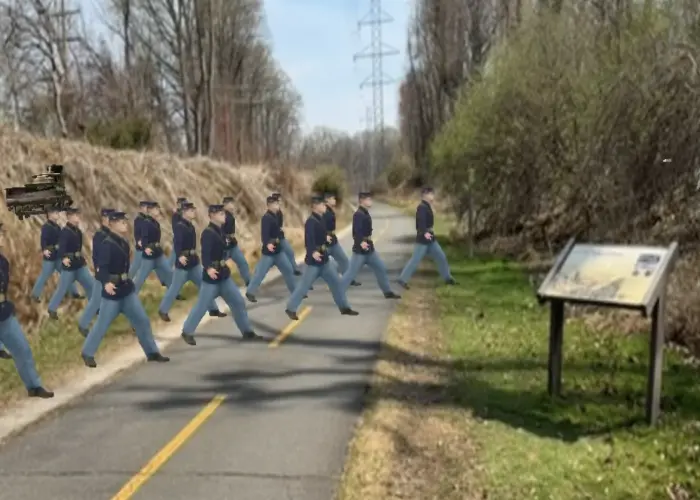
- You want to engage younger visitors — especially those on their phones — but traditional interpretation methods don’t always reach them
- You need to stand out, but on a budget
- You wish you could bring more of your sites to life, but it seems too expensive to implement and sustain
- You feel the pressure to keep up with large, well-funded destinations offering immersive experiences
Solutions
Running Reality changes this equation. We enable you to deliver immersive, location-based experiences across your entire site, whether that’s a single shop, a downtown block, or miles of landscape. Visitors can explore history where it actually happened, discovering people, events, and structures exactly in place, on the mobile device they are already carrying.
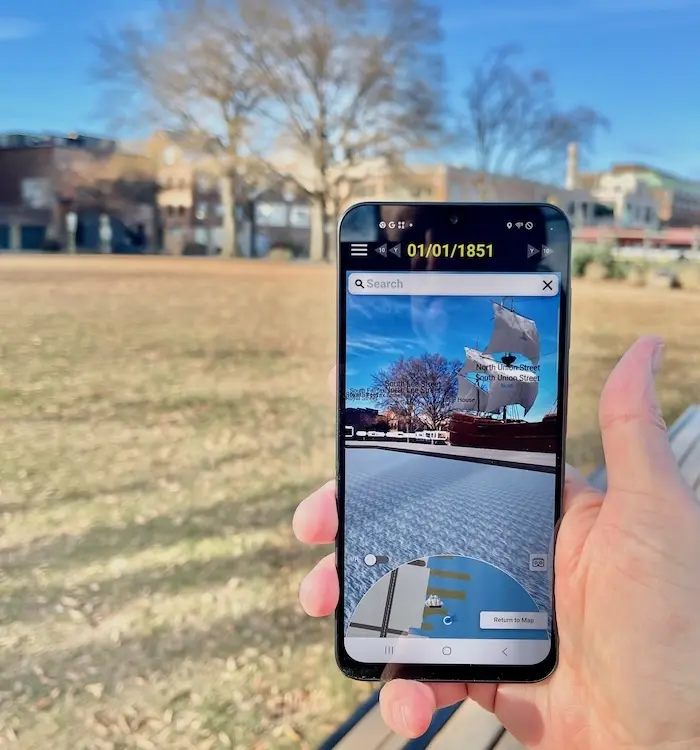
Interactive Site History
-
TALK
 to interactive people
-
WALK
 on the ground
- Ad free
A Partner for Interpretation
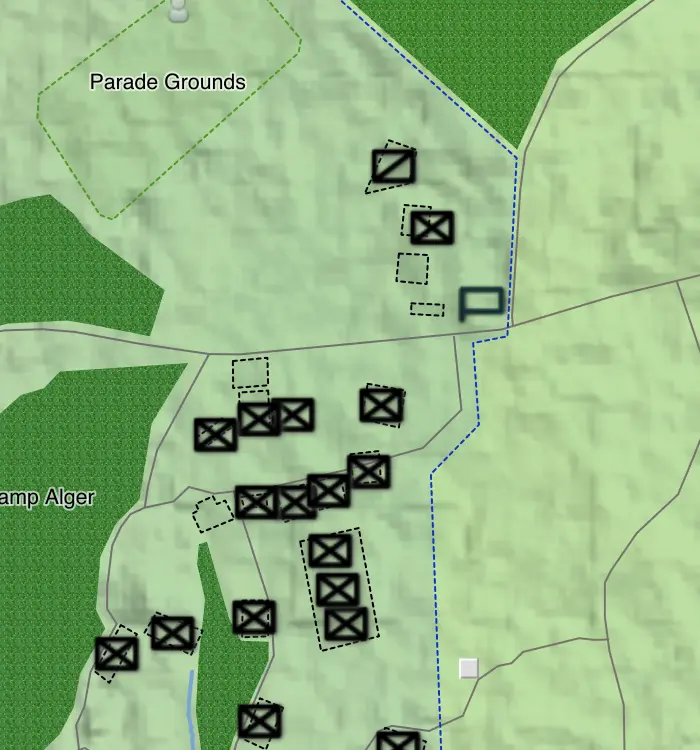
We partner with historic sites to strengthen how their stories are experienced and understood, serving as an interpretation infrastructure partner that expands access to meaningful, place-based storytelling. Our platform is ready today with core capabilities like 2D mapping, augmented reality, and interactive historical figures are already in place. Your site’s content and expertise can bring these experiences to life.
Designed to be affordable and scalable. Rather than requiring a custom-built application for each site, Running Reality uses a shared platform that spreads technology costs across many locations. This approach delivers high-end capabilities at a fraction of the traditional cost.
Do more with less infrastructure. Instead of concentrating interpretation at a visitor center or installing signage across a wide area, digital content can be placed anywhere — along trails, at coffee shops, or across a large park — without ongoing physical maintenance costs.
Built for long-term value. Content can be expanded over time as new research, funding, or priorities emerge. Our partnerships with universities and use of emerging tools help reduce content creation costs and allow sites to grow their experience in phases.
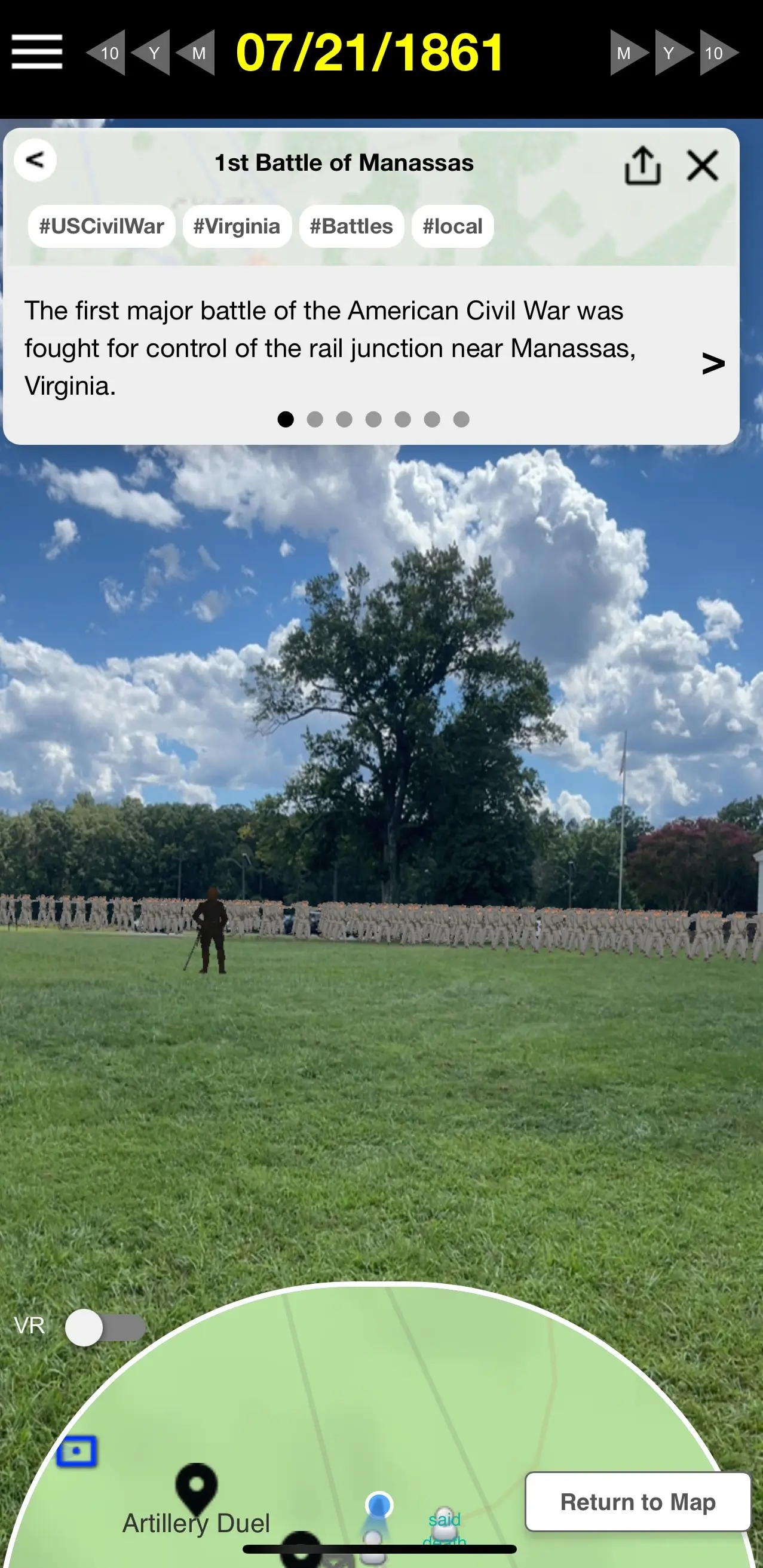
Fill a real gap. Smaller and mid-sized sites, who are often the ones telling the most unique or underrepresented stories, struggle to compete for visitor attention. Events happened in town, where coffee shops, book stores, and redeveloped areas now stand.
Even empty spaces become meaningful. Open landscapes, dispersed trails, and places where “nothing remains” are especially difficult to interpret. Digital reconstruction helps visitors understand not just what happened, but where and why it mattered.
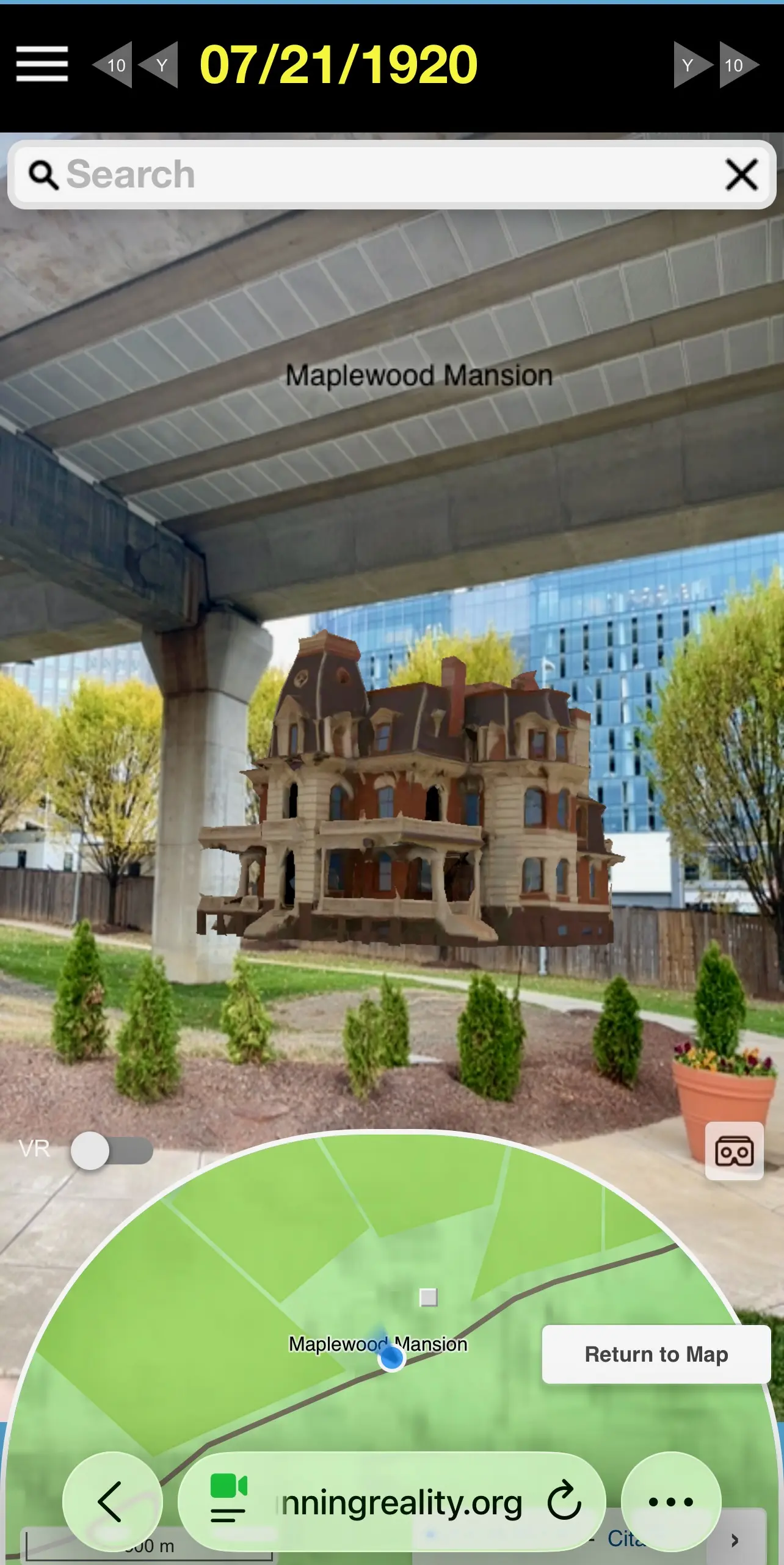
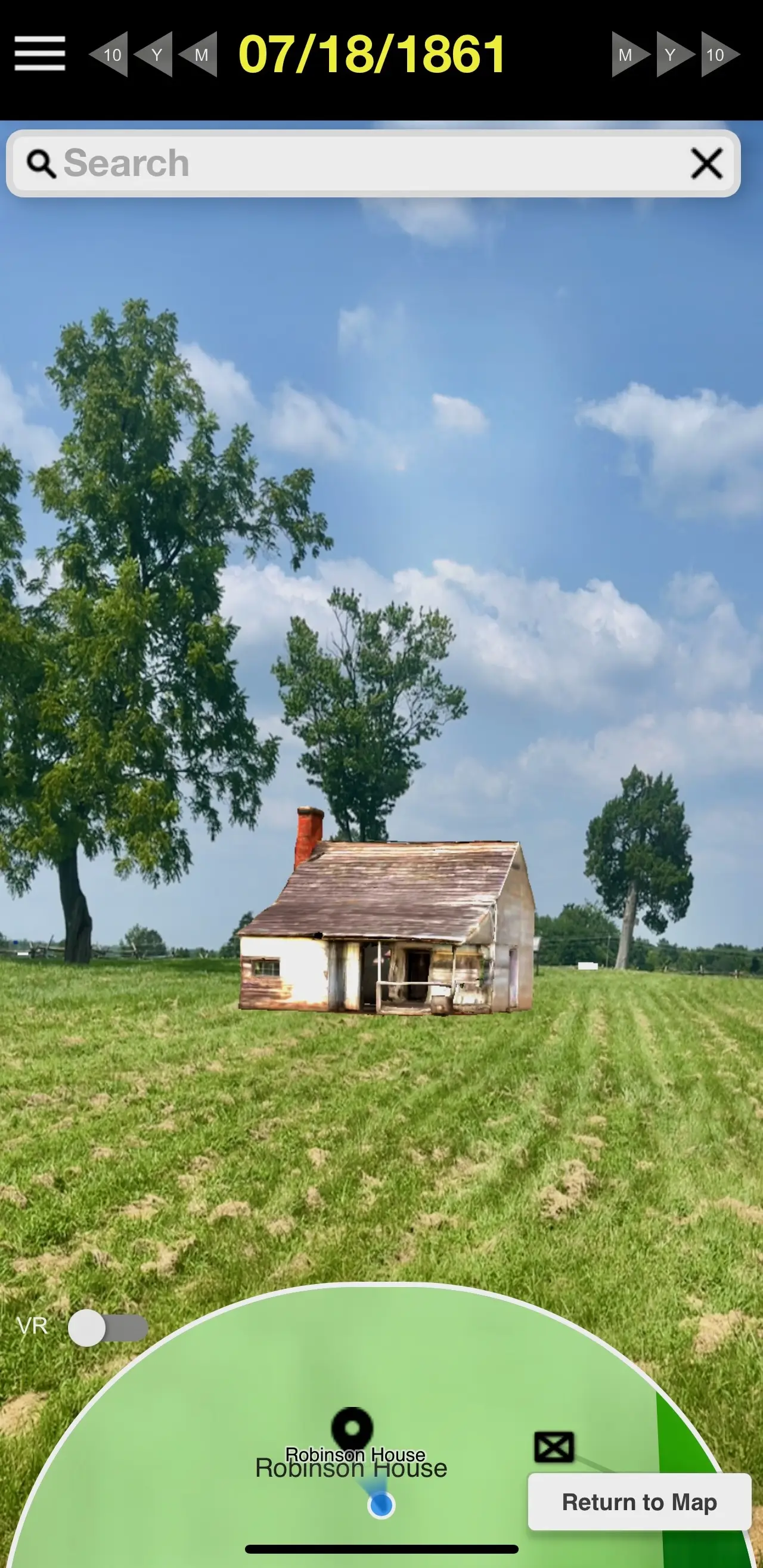
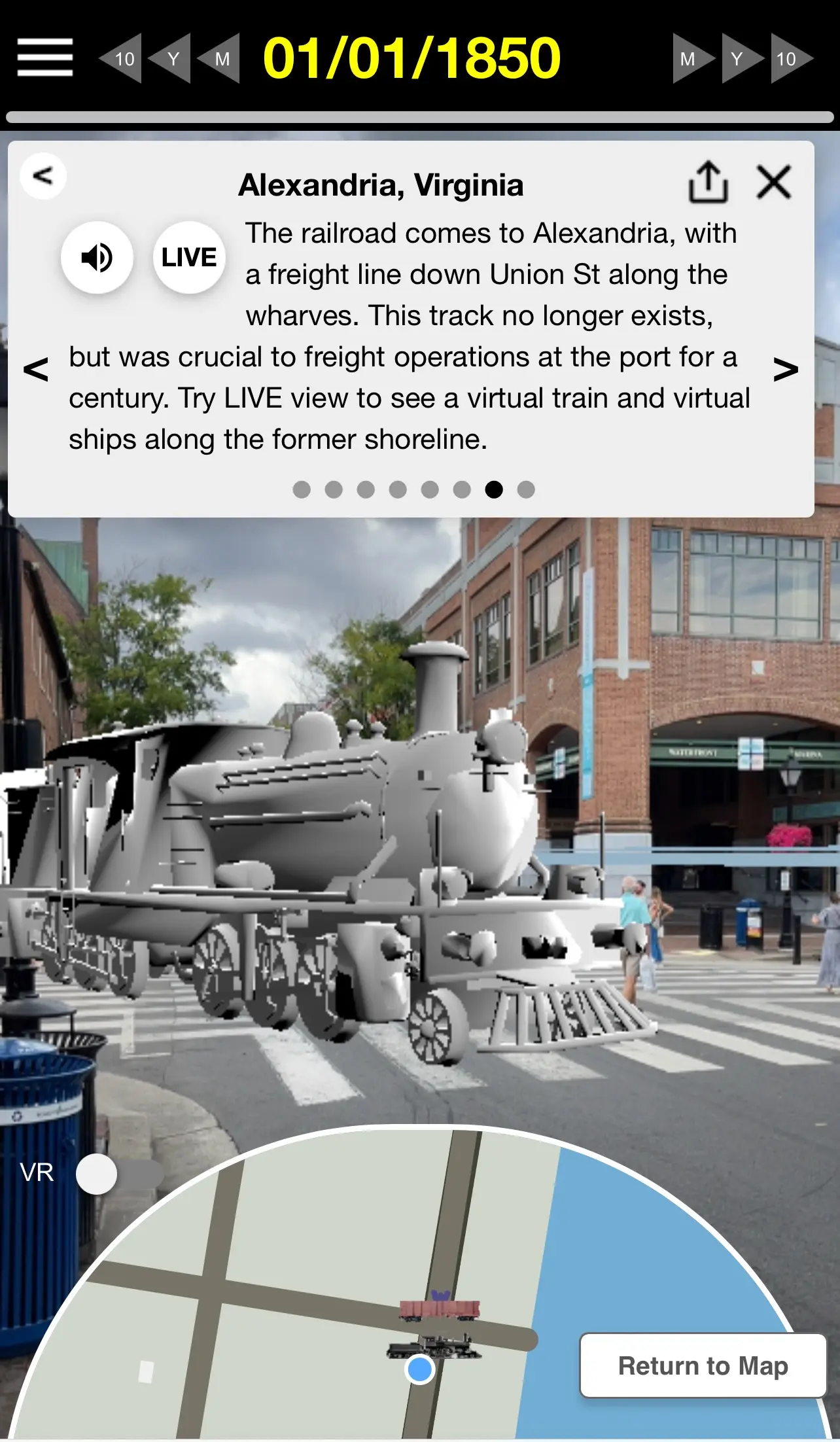
A strong fit for funding and strategic goals. This approach supports common objectives for grants and internal planning, including:
- Expanding access to underrepresented histories and communities
- Enhancing visitor engagement and repeat visitation
- Interpreting large or hard-to-access landscapes more effectively
- Delivering innovative digital experiences without major capital investment
Interactive People
Hosting a "living historian" or a reenactor turns a historical site into an immersive experience, bringing the past to life through storytelling, period-accurate demonstrations, and hands-on activities. They boost engagement, encourage repeat visits, create deeper connections, and lasting memories.
Hosting a digital historical reenactor brings history to life through interactive technology. They can be an efficient tour guide (even when your staff are busy) to make history accessible anytime with personalized, real-time interactions. They ensure that history remains dynamic, interactive, and relevant in the digital age. Running Reality has interactive site guides, interactive historical figures, and interactive anonymous regular people.
You can choose what level of digital interactivity you feel fits your location and your visitors. You can control any chat dialog options. If you have students, young people, and teens who visit you, you can activate a "scavenger hunt" feature where the reenactor can be talked into doing a silly dance. Collecting these scavenger hunt items is shown to drive much higher engagement with younger people and they engage the reenactor longer and hear more about your site's history.
Content Creation
Focus limited resources on research, not tech. The primary cost of content creation is the research and data entry. The exact cost would scale based on whether Running Reality already has some data for your site from the work of others and the level of detail of historical features to add. For instance, 2D building footprints are much faster than full 3D.
Affordable content, by design. Augmented Reality is new and exciting but has been prohibitively expensive. We are using our integrated world history model to reduce costs and make it accessible for all historical sites. A single digital history editor generates the 2D and 3D data with advanced tools to make the process quicker and more accurate. This single world model can be viewed with a single global augmented reality engine. This is not a custom solution with expensive custom technology for each site. It means a single low-cost solution with technology costs amortized over all sites.
Photogrammetry, with citations. We are developing photogrammetry tools to streamline the process of adding content. So, we can add more content in phases as new tools come online. For example, today we create the 3D people and objects at a site using photogrammetry tools based on historical photos, painted portraits, and illustrations. Each 3D model is backed by historical photos that visitors can check. We are generating 3D buildings from street-level historic photos of buildings and neighborhoods. This is enabling a rich, time machine-like experience for our visitors with the verifiability people expect.
Viewers
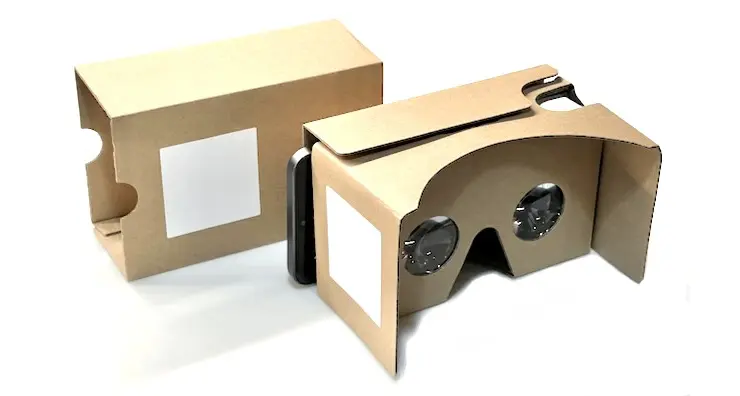
A little something extra? Or maybe your site is just too bright on a sunny day to read a phone screen? Running Reality is compatible with low-cost "cardboard" 3D viewers. They are made literally of cardboard and two lenses.
When in Running Reality's augmented reality "WALK" mode, you can tap the small
 cardboard
icon in the lower right corner to enter cardboard mode on your phone.
The phone then splits its view into a stereo view and you slide the phone into the cardboard viewer.
You then have a fun, simple, truly 3D experience.
cardboard
icon in the lower right corner to enter cardboard mode on your phone.
The phone then splits its view into a stereo view and you slide the phone into the cardboard viewer.
You then have a fun, simple, truly 3D experience.
Running Reality can provide the viewers.
Learn More
We would love to answer any further questions, explore options, and develop a custom quote with you.
Send the Running Reality team an email: