




Running Reality for Creators
Give your story a place in history.
Build your story around free historical data. Embed an interactive view, show a place on a particular day, reveal change over time, or fly over historical events in 3D.
For bloggers, YouTubers, podcasters, Substack writers, TikTok creators, and everyone telling a story about the past.
- Free historical content
- Interactive embeds and shareable links
- Free 3D aerial exploration
A new perspective for your viewers
Fly over the events you are explaining.
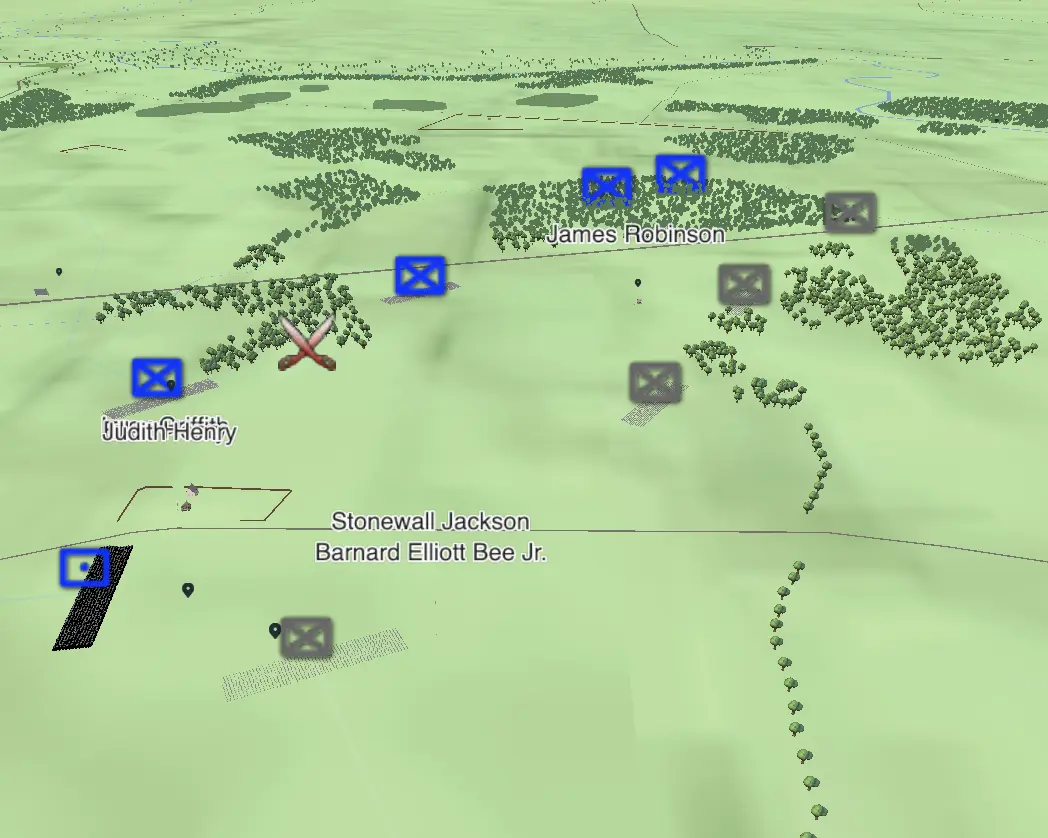
Go beyond the flat battle map. Use the free 3D aerial view to fly over historical events and show how terrain, routes, buildings, and reconstructed units fit together. Battlefields are a natural place to connect an overview with the locations in your narration.
Record your movement through the scene for your own viewers, then share a link so they can explore the same place and date. Preview the setting you plan to feature: historical detail and reconstruction coverage vary by place and time.
More tools for your workflow
Make the view work for your narrative.
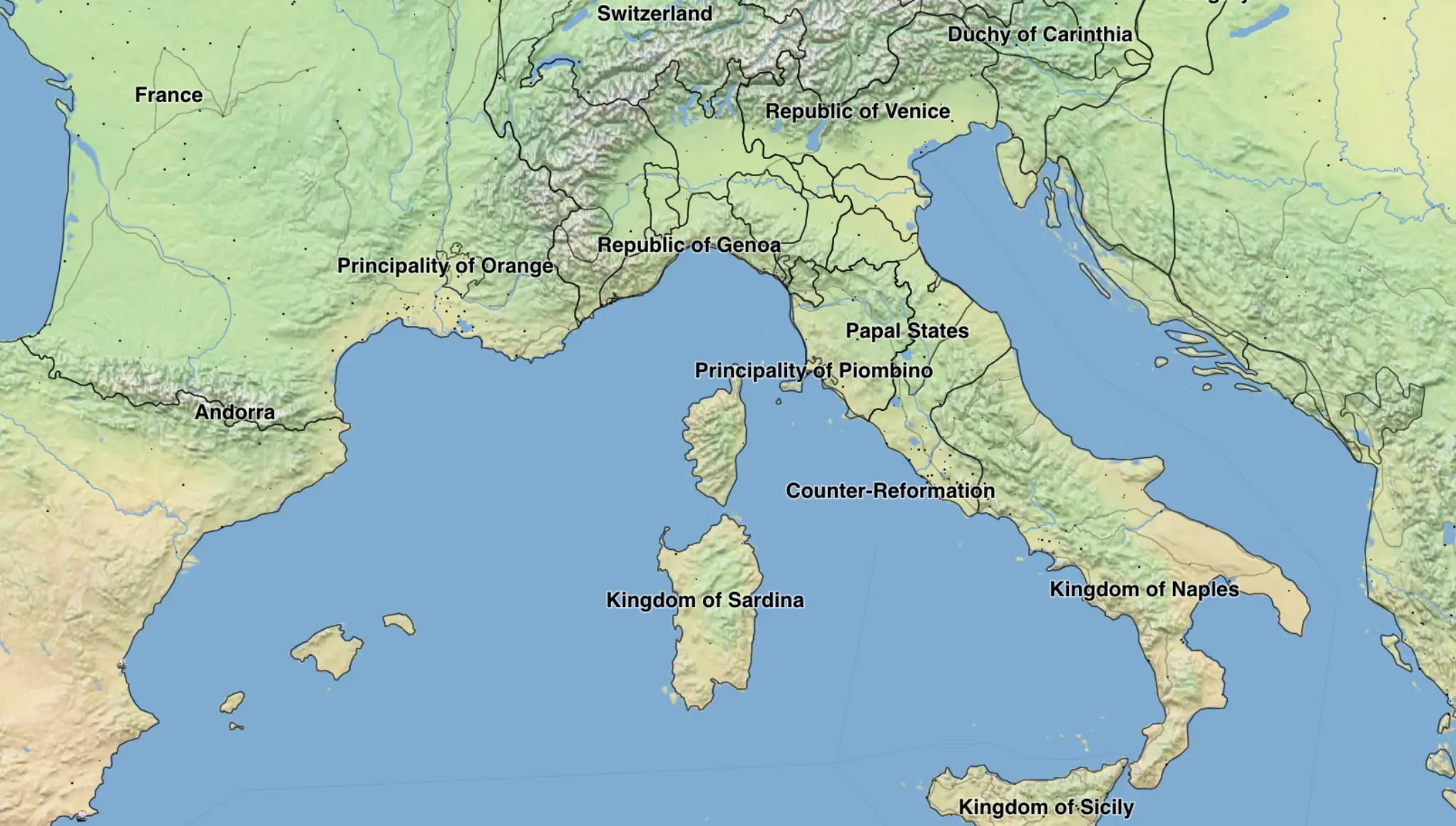
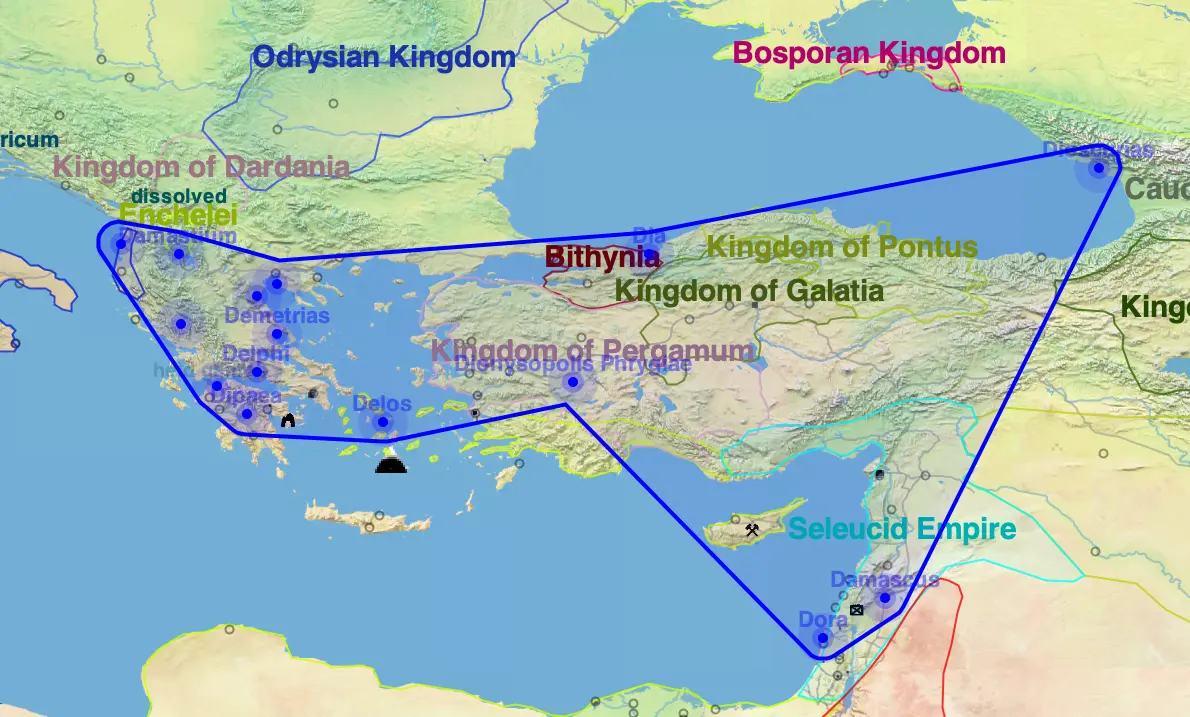
Running Reality shows the historical world at a chosen place and date. Put your subject in context with borders, governments, battles, people, migrations, populations, roads, shipping lanes, and buildings as the history model grows.
Customizing Visualizations
Fully Custom Map
Create Map From Text
Free history, with credit to its sources
Keep the research connected to your story.
Running Reality brings together contributions and sources including Wikipedia and OpenStreetMap. Include a link back to Running Reality and cite the month and year you used the material. Follow the supporting citations when researching the details behind your work.
Free access and embedding make it easy to start. For published images, recordings, exports, and commercial work, review the data use policy for the applicable terms and attribution requirements.
The practical details.
Choose the approach that fits your story and your publishing tools.
Record the browser's 3D aerial view with your screen-recording tools for a flyover. For standalone media, the desktop app share menu lets you copy a map image to your clipboard, save a JPEG of a point in time, or export an MP4 movie or GIF animation spanning time. MP4 export includes controls for date steps and animation frames.
Share a Running Reality link instead. It can take your audience to a specific place, date, and view from a newsletter, podcast show notes, video description, or social post. On platforms that support interactive embeds, readers can explore directly in your page.
The 2D web map uses a Mercator projection, while the desktop app uses an equi-rectangular projection. The difference is often subtle, but Mercator keeps street-level right angles looking correct while equi-rectangular views can show distortion. Choose the view and export approach that best illustrate your subject.
Creators use the website to record quick, simple videos while focusing on the historical narrative. See examples on YouTube and TikTok. The visualization guide covers ways to simplify the interface and prepare your recordings.
Tell the story only you can tell.
Need help finding a view, making a recording, or planning a new creator tool? Send us your questions and feature suggestions.